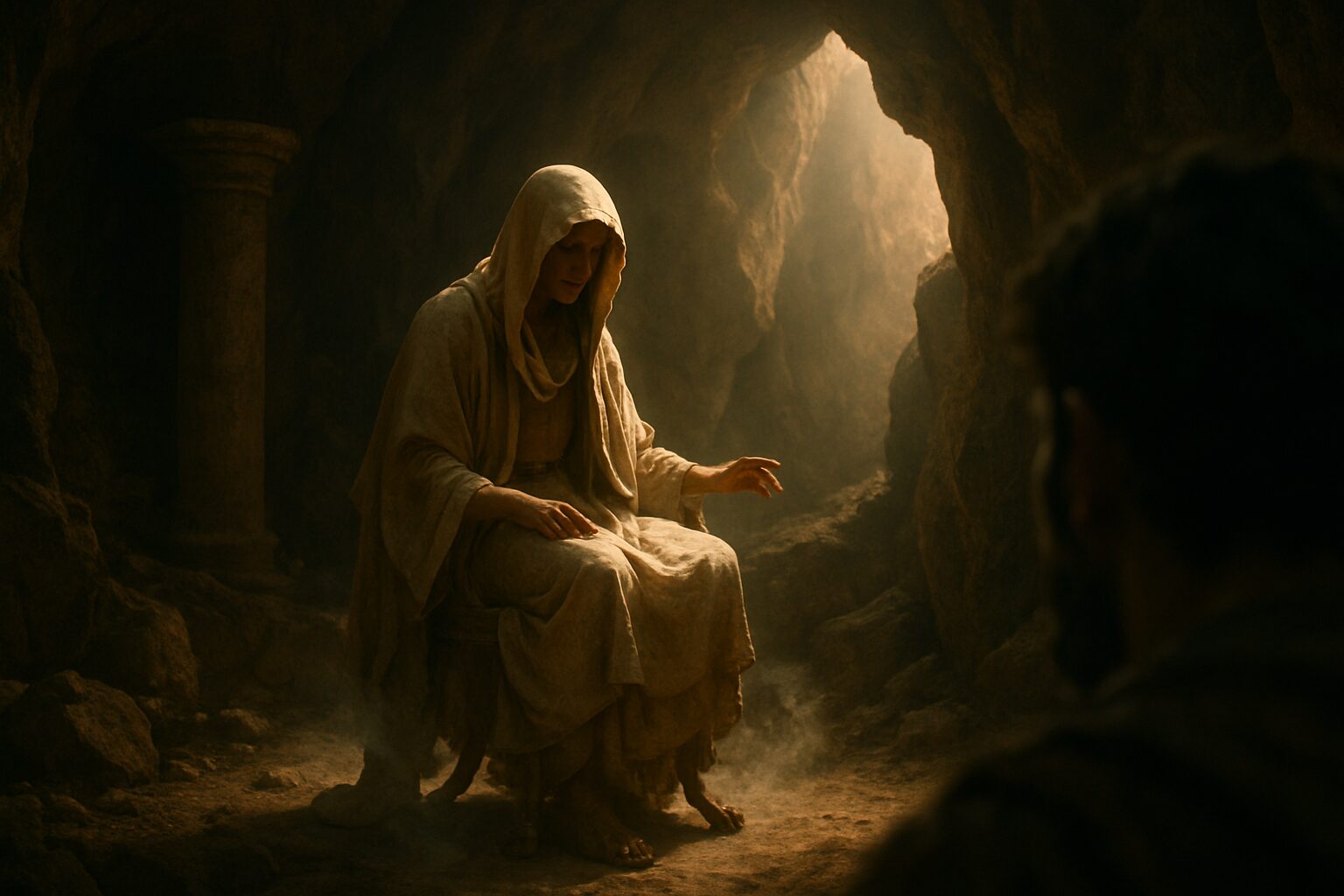
ギリシャの太陽は、いつだって少しだけ神話の匂いがする。特に、古代世界の中心と信じられた聖地デルフィの光は格別です。アポロン神殿の荘厳な遺跡群を吹き抜ける風は、かつて巫女ピュティアが告げたという神託の囁きを、今に伝えているかのよう。旅する者の多くは、この壮麗な聖域に満足し、麓の町でウーゾを呷り、次の目的地へと旅立っていくことでしょう。しかし、本当のデルフィの神秘は、観光客の喧騒から離れた、さらに天に近い場所に眠っているとしたら…?
どうも、旅ライターの太郎です。今宵もどこかの酒場で、旅の記憶を肴に一杯やっています。今回は、いつもの裏路地グルメとは少し趣向を変えて、神々の領域に足を踏み入れたときの話をしましょうか。目指すは、パルナッソス山の中腹に口を開ける巨大な洞窟、「コリキオン洞窟」。アポロンの神殿がデルフィの「表」の顔だとするならば、この洞窟は、その神託を影で支え、より古く、より土着的な信仰を今に伝える「裏」の聖域。牧羊神パンと精霊ニンフたちが棲まうとされた、神秘の空間です。デルフィの遺跡を訪れただけでは決して味わうことのできない、もう一つの物語がここにはあります。さあ、古代の巡礼者たちと同じ道を辿り、神話の源泉へと分け入ってみましょう。きっとあなたも、この洞窟のトリビアを誰かに語りたくなるはずですから。
天空の聖域へ続く道
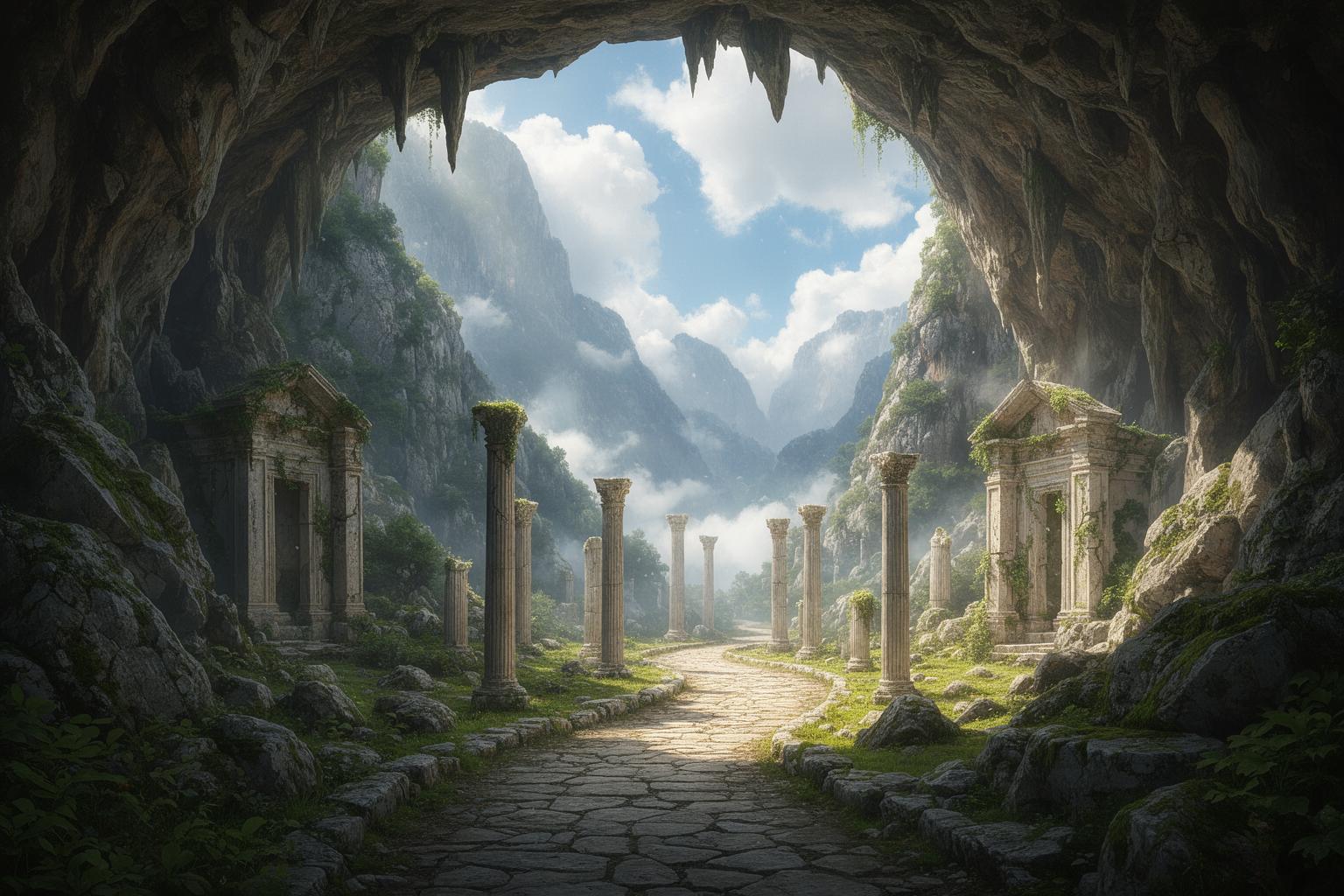
[ { “heading”: “コリキオン洞窟への旅”, “body”: “The journey to the Corycian Cave begins deep within Mount Parnassus, with the ruins of Delphi left behind. After driving partway up the mountain road from the town at its base, you must rely on your own two feet beyond that point. You follow the ancient path once trodden by the people of ancient Greece, who walked it with prayers to the gods in their hearts.” }, { “heading”: “コリキオン洞窟への旅”, “body”: “You can distinctly feel the change in the air. Unlike the warm climate of the olive groves at the mountain’s foot, the higher altitude brings a crisp, clear atmosphere filled with the scent of conifers. Wild herbs like thyme and oregano grow along the trail, releasing fresh, natural fragrances with every step. Could this be the lingering aroma of incense once offered to the gods? Imagining this is part of the pilgrimage’s unique charm.” }, { “heading”: “コリキオン洞窟への旅”, “body”: “The path is by no means easy. You climb a steep, rocky incline strewn with limestone boulders, your breath growing shorter with every step. Occasionally glancing back, the valley of Delphi stretches out below, and beyond it, the deep blue waters of the Gulf of Corinth sparkle in the sunlight. This breathtaking panorama serves as a reward reserved only for those who have made the effort. Ancient travelers likely admired this view as a sign of their closeness to the divine.” }, { “heading”: “コリキオン洞窟への旅”, “body”: “The surroundings are almost entirely devoid of human presence. The only sounds are your own labored breathing, the rustling of trees stirred by the wind, and the occasional clink of a goat’s bell. This silence clears the mind, washing away daily distractions and inviting a deeper connection to ancient times. Why did so many endure such a challenging route just to reach one cave? The answer seems embedded in the very journey itself, which acts as a purification ritual before entering the sacred space.” }, { “heading”: “コリキオン洞窟への旅”, “body”: “After a while, a massive rock face looms directly ahead. At its base, a vast darkness yawns open—this is the entrance to the Corycian Cave. It appears as if Gaia, the Earth Mother goddess, is opening her great mouth to receive you. Standing before its overwhelming presence, you cannot help but feel a deep reverence. Beyond this point lies the realm of myth. With a mixture of anticipation and slight tension, you finally step into the womb of the sanctuary.” } ]
洞窟の第一印象:神話への入り口
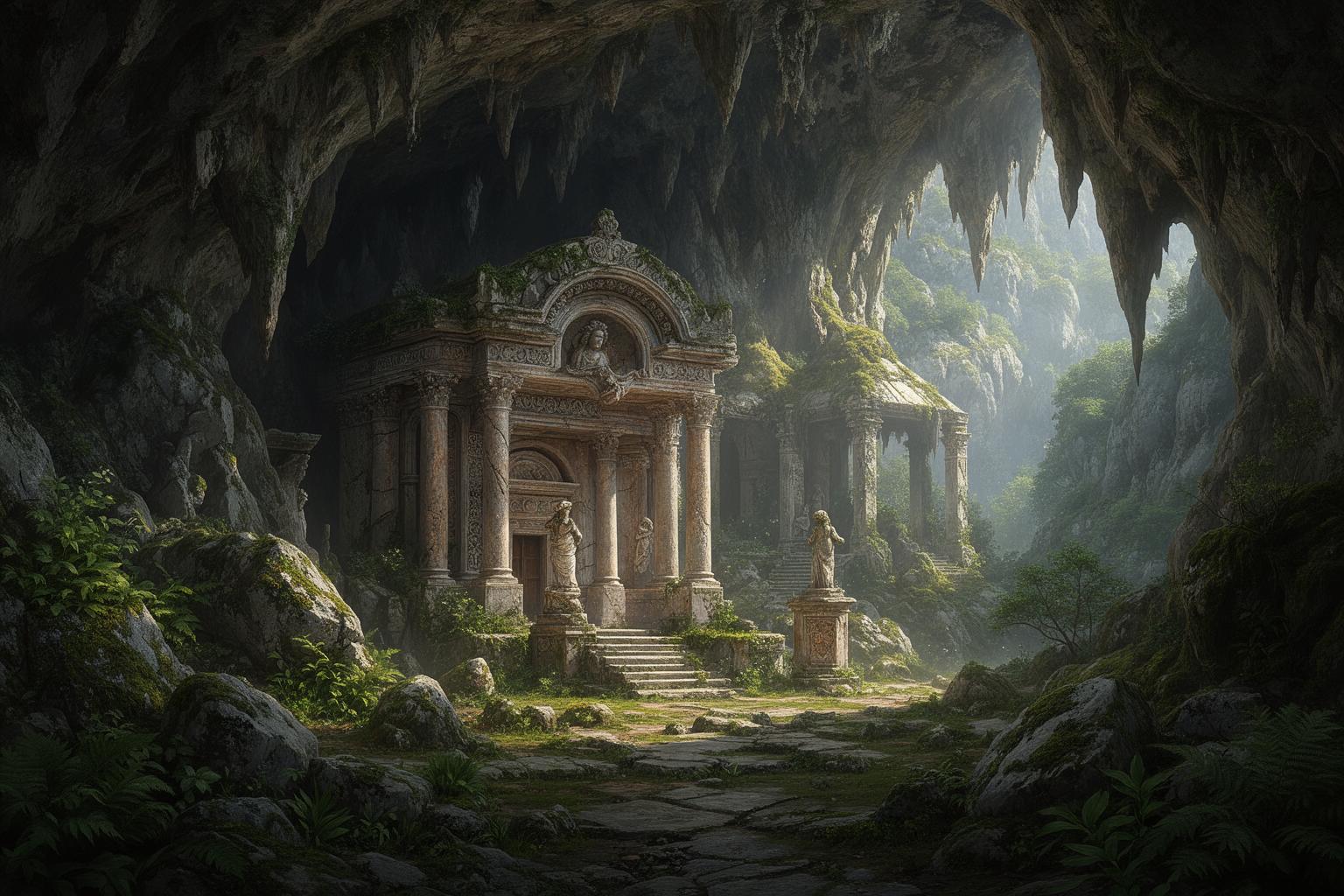
[ { “heading”: “洞窟の入り口に立った瞬間、まず圧倒されるのはそのスケール感です。”, “body”: “洞窟の入口に立つと、まずその圧倒的な大きさに驚かされます。数十メートルもの高さを誇る巨大な開口部は、まるで自然が築いた壮麗な神殿の門のようです。夏の強い日差しが照りつける外の世界とは対照的に、洞窟の内側からは冷たく湿った空気が流れ出し、汗ばんだ肌を優しく撫でていきます。この温度差は単なる物理現象を超え、俗世と聖域の境界を示す結界のようにも感じられます。” }, { “heading”: “一歩足を踏み入れると、外の喧騒が嘘のように静まり返ります。”, “body”: “一歩中に入ると、外の騒音が嘘のように消え去ります。洞窟の壁が音を吸収し、深い静寂が空間を満たします。自分の足音だけが不自然に大きく響き渡ります。目はすぐに暗さに慣れませんが、徐々に闇の濃淡がはっきりしてくると、この洞窟の広大さに改めて息を呑むでしょう。高くそびえる天井はまるで大聖堂のドームのようで、入り口から差し込む光が岩肌を神秘的に照らし、巨大な鍾乳石や石筍がまるで神々の彫像のように浮かび上がります。” }, { “heading”: “なぜ、この場所が聖地となったのか。”, “body”: “なぜこの地が聖地とされたのかは、この地形自身が語りかけているように思えます。大地にぽっかりと開いたこの巨大な穴は、古代の人々にとって母なる大地ガイアの子宮、つまり生命の源であると同時に、冥界への入り口とも考えられたのではないでしょうか。豊穣、死、そして再生を全て内包するこの場所は、人間の力を超えた偉大な存在の気配を強く感じさせます。アポロンのような天空神が崇拝される以前から、大地そのものを信仰していた時代の記憶が、この洞窟には色濃く息づいています。” }, { “heading”: “洞窟の空気は、ただ冷たいだけではありません。”, “body”: “洞窟の空気は単に冷たいだけでなく、石灰岩や土、そして長い年月によって熟成されたような独特の香りを帯びています。その香りは少しカビ臭くもありながら、同時に清浄な空気のような印象も与え、不思議な魅力があります。この香りを吸い込むと、肺の奥深くから何かが浄化されていくかのような感覚に包まれます。古代の巡礼者たちもこの空気を胸いっぱいに吸い込み、神々の息吹を感じながら祈りをささげたでしょう。彼らと同じ光景、同じ空気の中に今自分が立っていることに、時代を超えた繋がりを実感し、心が震えるのです。” } ]
神話の世界へ:パンとニンフたちの住処
[ { “heading”: “このコリキオン洞窟は、古代ギリシャの文献において「パンとニンフたちの聖域」として繰り返し言及されています。”, “body”: “This Coricyon Cave is repeatedly mentioned in ancient Greek texts as a \”sanctuary of Pan and the nymphs.\” Situated close to Delphi, the sacred site of Apollo—a god who upholds reason and order—this wild and chaotic abode of nature deities presents a striking contrast. This juxtaposition reveals the profound complexity of ancient Greek spirituality, which is perhaps the cave’s greatest allure.” }, { “heading”: “牧羊神パン、その恐ろしくも陽気な素顔”, “body”: “First, we must speak of Pan, one of the cave’s principal deities. Pan is depicted with a human upper body and the lower body of a goat, embodying a half-man, half-beast figure. As the personification of nature, he roams the fields and forests, guarding shepherds and their flocks. Usually imagined as a cheerful figure who plays the panpipes and frolics with nymphs, Pan also harbors a fearsome side. When disturbed during his naps, he erupts into fierce rage and lets out terrifying screams. Those who hear his howl lose reason and flee in senseless terror. The ancient Greeks attributed such sudden, irrational fear to Pan himself. In fact, the English word \”panic\” is derived from this god. If you ever share this trivia, saying \”I visited the cave where the god who inspired the word panic once dwelled\” might make you sound a bit intellectual.” }, { “heading”: “聖なる泉の精霊、コリキオン・ニンフ”, “body”: “The other key figures are the nymphs—beautiful female spirits in Greek mythology who dwell in springs, rivers, forests, and mountains. Though not immortal like the gods, nymphs enjoy long lives while maintaining youthful beauty. Revered as embodiments of nature’s vitality and abundance, they were deeply respected by ancient people. Among them were the \”Coricyon Nymphs,\” guardians of the sacred spring reputed to flow (or once to have flowed) within the cave. Water being the source of life, visitors came to this cave to pray for bountiful harvests and prosperity, offering sacrifices to these nymphs. These nymphs also had close connections with the Muses—the goddesses of arts—who inspired poetry, music, and dance from their mountain base on Parnassus. The Coricyon Cave may well have been a sacred venue where Pan’s melodies and the nymphs’ graceful dances played out, attracting those seeking creative inspiration.” }, { “heading”: “古代の祈りの痕跡:発掘された奉納品”, “body”: “These myths are grounded in reality, confirmed by archaeological excavations revealing that ancient people engaged in devoted worship within the cave. Countless offerings have been unearthed in the soil here. Particularly intriguing are the numerous \”astragali,\” the ankle bones of sheep or goats, which served as dice or divination tools in ancient Greece. People likely cast these dice to seek oracles from Pan and the nymphs for personal guidance. Unlike the solemn prophecies from Apollo’s temple that addressed state affairs, this was a more intimate space for everyday concerns—love troubles, career success, travel safety, and so forth. These humble desires may be encoded in the many scattered bones. Additionally, large quantities of simple clay figurines shaped like women or animals, bronze ornaments, rings, and pottery shards have been discovered. Together, these offerings demonstrate that this site remained sacred for millennia, from the Neolithic through to Roman times. The prevalence of female figurines strongly suggests it was a place to pray for fertility and the blessing of mother nature or nymphs. Long before Apollo’s cult was established, people gathered here to honor the mysteries of life itself. This deep history permeates the cave’s very atmosphere.” } ]
デルフィの神託を支えた影の主役
[ { “heading”: “デルフィといえば、アポロンの神託。”, “body”: “デルフィはアポロンの神託で知られています。巫女ピュティアは神の啓示を受け、アポロンの言葉を伝えたとされ、古代世界でも最も権威ある神託所の一つでした。アポロン神殿の地下には「アデュトン」と呼ばれる聖室があり、ピュティアは三脚の椅子に座り、大地から立ち昇る霊気(プネウマ)を吸い込んでトランス状態に入ったと伝えられています。” }, { “heading”: “デルフィといえば、アポロンの神託。”, “body”: “最近の地質学的調査によって、デルフィ神殿が断層の交差地点に建てられていることが判明し、かつてそこから幻覚作用のある炭化水素ガス(エチレンなど)が噴き出していた可能性が指摘されています。ピュティアの神がかりは単なる神秘現象ではなく、こうした自然現象に起因していたのかもしれません。この事実自体が非常に興味深いトリビアです。” }, { “heading”: “デルフィといえば、アポロンの神託。”, “body”: “では、神託とコリキオン洞窟の関係はどうなのでしょうか。直接的な関連を示す文献は少ないものの、いくつかの説が提唱され、それを検討することこそ歴史のロマンと言えます。” }, { “heading”: “デルフィといえば、アポロンの神託。”, “body”: “一つの説として、コリキオン洞窟がピュティアや神官たちが神託を受ける前に準備をする場所として使われていた可能性があります。神託という重要な儀式の前に、心身の浄化と精神の集中が必要だったはずであり、外界から隔絶された静かな洞窟は瞑想や精神統一に理想的な環境だったでしょう。また、パンやニンフなどの原始的で強力な自然の神々の力を借りることで、アポロンの神託を受け取るための霊感が高められていたのかもしれません。” }, { “heading”: “デルフィといえば、アポロンの神託。”, “body”: “さらに、アポロン信仰がデルフィに根付く以前、この地では大地母神ガイアが神託を授けていたとする神話があります。アポロンは大蛇ピュトンを退治してこの神聖な土地を自らのものにしたと伝えられています。この物語は、新しい天空神の信仰が古くからの土着の大地母神信仰に取って代わったことを象徴していると考えられています。コリキオン洞窟はまさに、この古代大地母神信仰の中心地だった可能性があり、アポロン神殿が「公式」神託所となった後も、人々はこの洞窟を訪れて個人的な祈りを続け、大地のエネルギーを感じていたのでしょう。つまり、コリキオン洞窟は、アポロンの華やかな聖域に隠された、もう一つのより原初的な信仰の拠点だったのです。” }, { “heading”: “デルフィといえば、アポロンの神託。”, “body”: “こう考えると、デルフィの神託の全体像が浮かび上がります。アポロン神殿で公的に語られる論理的で象徴的、そしてしばしば難解な神託と対照的に、コリキオン洞窟ではより個人的で自然の力と結びついた私的な祈りや占いが行われていました。この二つが結びつくことによって初めて「聖地デルフィ」の信仰体系が完成したのです。巨大な樹木に例えれば、コリキオン洞窟はアポロン神殿の美しい花や果実を支える、大地に深く根を張る存在だったと言えるでしょう。この見方を持つと、デルフィ遺跡の見え方もまた変わってくるはずです。” } ]
歴史の舞台としてのコリキオン洞窟
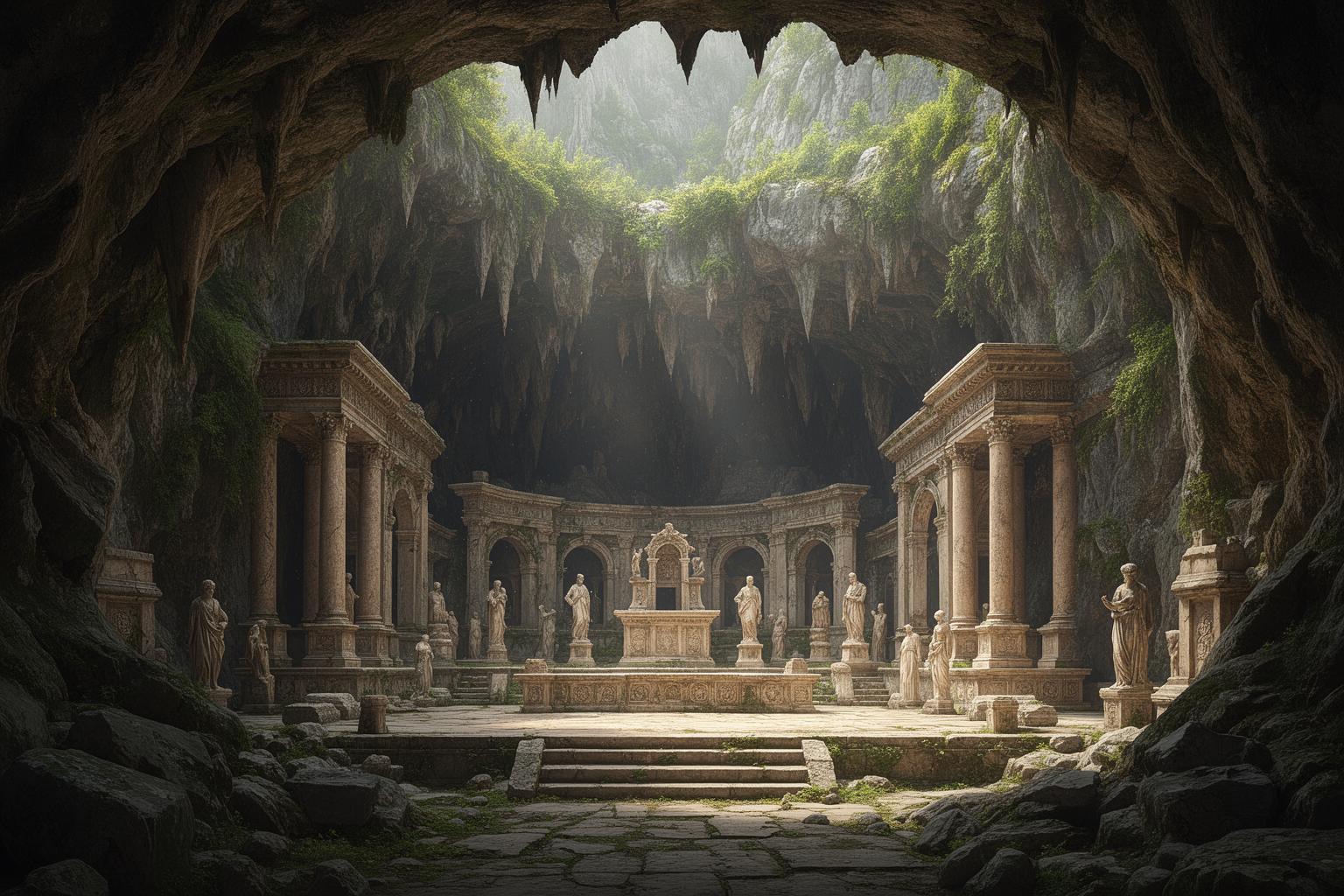
[ { “heading”: “コリキオン洞窟の重要性は、神話や宗教の領域に留まりません。”, “body”: “The significance of the Korikion Cave extends beyond mythology and religion. This cave has also served as a shelter for people amid the turbulent waves of real history. Sacred places can often become the safest refuge in times of crisis.” }, { “heading”: “ペルシア戦争の避難所”, “body”: “The most renowned episode dates back to the Persian Wars in the 5th century BCE. In his work \”Histories,\” the father of history Herodotus describes the Persian army led by King Xerxes invading Greece. When part of the Persian forces threatened to plunder the sanctuary of Delphi, the locals asked the oracle whether to hide the sacred treasures underground or evacuate them elsewhere. The god Apollo responded, \”I can protect what is mine. You must not move them.\” Trusting this divine message, the people nonetheless panicked and many fled toward the summit of Mount Parnassus, seeking refuge in the Korikion Cave. Some also escaped to the region of Achaea. Ultimately, the sanctuary was miraculously preserved. According to Herodotus, as the Persians approached, two massive rocks suddenly fell from the mountain, crushing them, while the roar of battle cries echoed from the temple of Athena Pronaia. Though considered a divine miracle, it might well have been a defensive tactic devised by the defenders of Delphi. What matters is that in this moment of life-or-death peril, the people chose Korikion Cave as their sanctuary. Revered as a holy place in everyday life, they trusted the cave to protect their lives when it counted most. Huddled together in the cave’s darkness, praying for their home’s safety, they awaited the passing of the Persian forces. Their anxiety and prayers seem to still seep into the cave walls today.” }, { “heading”: “近代における抵抗の拠点”, “body”: “Korikion Cave’s role as a refuge was not limited to ancient times. In later periods, during Greece’s subjugation under the Ottoman Empire and again during the Nazi occupation in World War II, the cave was reportedly used by Greek independence fighters and resistance warriors as a hideout and stronghold. The rugged terrain of Mount Parnassus, combined with the vast concealed cave, provided an ideal base for guerrilla warfare. Like the heroes of old, these fighters took shelter in the sacred cave, pledging to liberate their homeland and fighting on. Spanning thousands of years, the fact that this site has continuously served as a place of protection and a beacon of hope for the future is deeply moving. A dwelling of the gods has stood alongside mankind in pivotal moments of history. Korikion Cave remains not just an ancient ruin, but a living sanctuary anchoring the spirit of the Greek people.” } ]
洞窟内部を探検する
[ { “heading”: “第一の部屋「聖なる広間」”, “body”: “洞窟の入り口からすぐに広がるのが第一の部屋です。これは最も広大で天井も高い、まさに洞窟の中心となるホールで、体育館ほどの広さがあり、何百人もの人々が収まることが可能です。古の時代に多くの儀式や集会がこの場所で行われたことは、想像に難くありません。入口から差し込む光が届くため、比較的明るく、洞窟全体の構造を把握しやすいです。壁や天井からは長い年月をかけて形成された鍾乳石や石筍が無数に垂れ下がり、または筍のように伸びています。その姿は、巨大なパイプオルガンや神話の怪物に見えるものもあります。光の当たり方によって表情を変えるこれらの自然の造形美は、見入る者を時間の流れを忘れさせます。壁の一部には古代の碑文も刻まれていると聞きますが、素人には判別が難しいかもしれません。しかし岩にそっと手を触れると、冷たさと共に何千年にもわたる人々の祈りの記憶が感じられるようです。この広間の片隅には「王のテーブル」と呼ばれる平らな岩があり、生贄の儀式が行われたとされる説もありますが、実際には奉納品を置く祭壇の役割だったのかもしれません。ここで目を閉じれば、古代の儀式の賑わい、笛の音やニンフたちの囁きが聞こえてくるような錯覚に陥るでしょう。” }, { “heading”: “奥へと続く道「深淵への誘い」”, “body”: “第一の部屋の奥には、さらに内部へと繋がる狭い通路が存在します。これが第二の部屋への入り口です。通路を抜けるとほとんど光が届かず、完全な闇に包まれます。手元の懐中電灯の光だけが、自分の存在を示す唯一の目印となります。この先では、冒険心が少し試されるでしょう。第二の部屋は第一の部屋より小さいものの、地形はより複雑です。小さな池や、さらに奥へ続く狭い穴があり、探検心を刺激します。しかし専門の装備なしに深く入るのは非常に危険です。足元はぬかるみ滑りやすく、どこに穴が開いているかも分かりません。古の人々も、この奥の領域は神々や精霊のみが許された、真の聖域と見なしていたのかもしれません。ここでの完全な闇と静寂の中にいると、五感が研ぎ澄まされるのを感じます。滴る水の一滴一滴の音が鮮明に聞こえ、自分の心臓の鼓動が洞窟全体に響くように感じられます。これこそが、古代人が感じた「神々の存在感」だったのでしょう。現代社会の騒音と明かりに慣れた私たちにとって、この根源的な暗闇と静寂の体験は非常に貴重で、精神的な意味合いを持つものと言えます。この深淵をのぞき込む時、人は自身の内面と向き合うしかなくなるのです。” } ]
旅の終わりに:パルナッソスの風に吹かれて
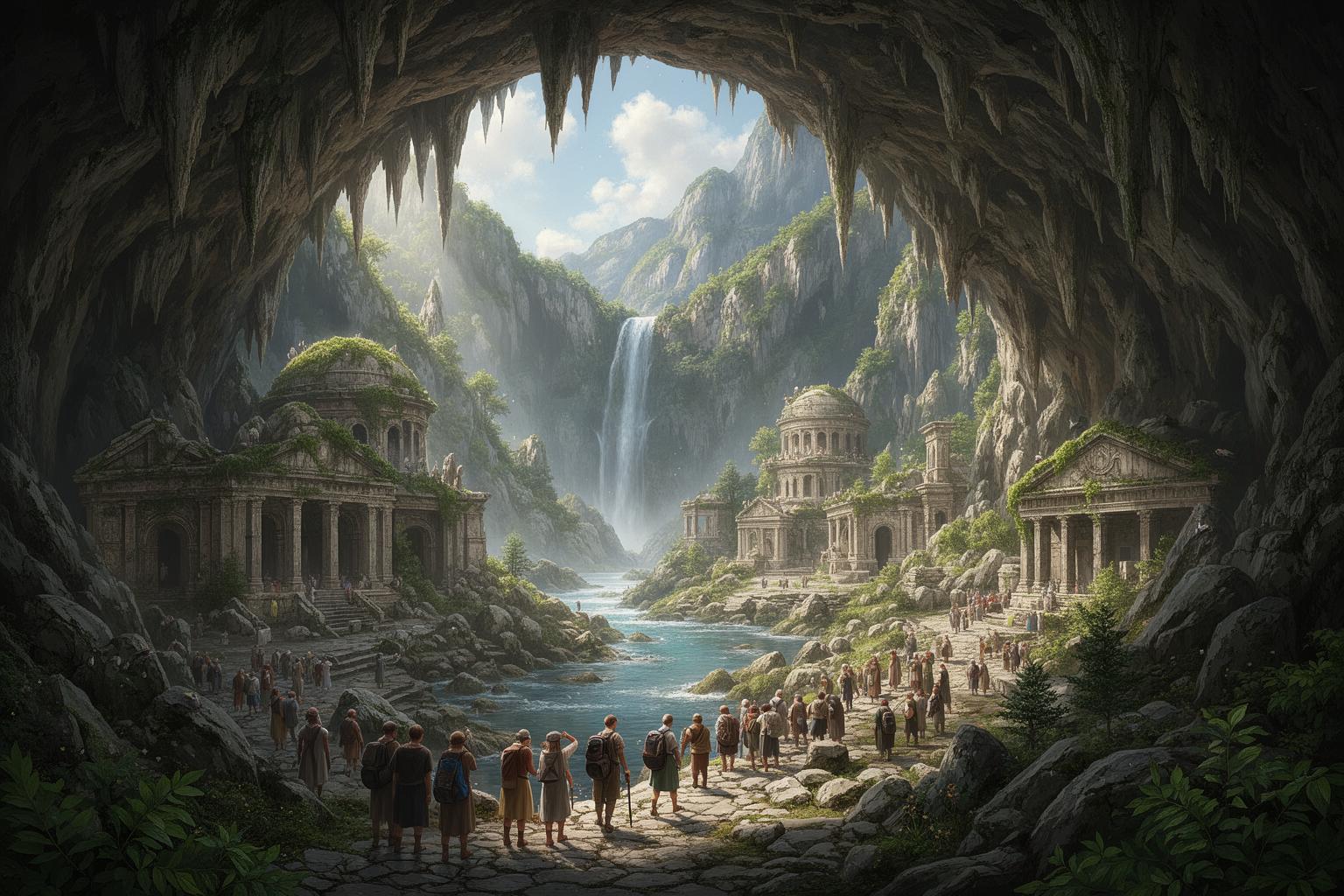
[ { “heading”: “洞窟の闇の中から、再び入り口の光が待つ世界へと戻ったとき、目に映るすべてのものが、来る前よりも鮮やかに、そして愛おしく感じられました。”, “body”: “Emerging from the cave’s darkness and stepping back into the light awaiting at the entrance, everything before my eyes appeared more vivid and dearer than it had seemed before the journey. The lush green of Mount Parnassus, the blue sky, and the shimmering sea in the distance—all the scenes that once felt ordinary now burst forth with renewed freshness. It was a strange sensation, as if I had been reborn from the womb of the earth.” }, { “heading”: “コリキオン洞窟への旅は、単なる観光ではありません。”, “body”: “The journey to Corycian Cave is far more than a simple sightseeing trip. It serves as a pilgrimage to encounter a deeper, more ancient, and fundamental spirit that dwells within the sacred site of Delphi. While the Temple of Apollo symbolizes order, reason, and the realm of light, the Corycian Cave represents chaos, instinct, and the realm of darkness, embodied by the figures of Pan and the nymphs. The ancient Greeks revered both and built their worldview upon the balance of these forces. To truly grasp the essence of Delphi, one must experience both its light and darkness.” }, { “heading”: “洞窟を後にして、再び山道を下りながら、手についた洞窟の土の匂いを嗅ぎました。”, “body”: “After leaving the cave and descending the mountain path, I breathed in the scent of the cave’s soil that clung to my hands—a fragrance condensed with thousands of years of history and mythology. The memories from this journey are sure to linger for a long time. Sitting in a taverna in the nearby town of Arachova, sipping chilled white wine, I reflected on the day’s experience. The roar of Pan, the whispers of the nymphs, and the prayers of the ancient people—all mingling in the Parnassus breeze that gently brushed my flushed cheeks. A trip is always best concluded with a glass of wine, and then the stories of this divine cave can be shared with someone new: “Have you been to Delphi? Then, have you heard about the amazing cave beyond it?”” }, { “heading”: “項目”,
| “body”: “ | Item | Details | \n | :— | :— | \n | Name | Corycian Cave (Κωρύκιον άντρον) | \n | Location | Mount Parnassus mid-slope, Phocis, Central Greece, Greece | \n | Access | Approximately 20 to 30 minutes by car from the towns of Delphi or Arachova, followed by a 20 to 30-minute hike from the parking lot. The path is unpaved and can be rugged, so sturdy footwear is essential. | \n | Opening Hours | No official hours (open at all times), but visiting during daylight is safest. | \n | Admission | Free | \n | Notes | – The cave interior is dark with uneven footing; a strong flashlight or headlamp is essential.\n- Wear slip-resistant trekking shoes.\n- The deeper parts of the cave are dangerous and should not be explored.\n- Even in summer, the cave remains cool (sometimes chilly), so bring a light jacket.\n- Mobile phone reception may be unavailable.\n- Always carry out your trash and respect this sacred place. | “ |
|---|
} ]